

Home > Regenerative Medicines
Regenerative Medicine at 300 Middletown Blvd Suite 103, Langhorne, PA 19047
In one day, we provide expert, minimally invasive pain management and regenerative medicine care throughout Langhorne, PA 19047 and Bucks County.



Regenerative medicine at Cellara Pain Institute uses the body’s own biology to repair damaged joints, tendons, and soft tissue without surgery. Dr. Mohamed Osman, double board-certified and Harvard fellowship-trained, delivers non-surgical orthobiologic treatment through two core therapies: PRP injection (platelet-rich plasma) and BMAC (bone marrow aspirate concentrate). Both are image-guided, in-office procedures with no hospital admission. At Cellara Pain, Doylestown PA regenerative medicine is strictly focused on musculoskeletal and chronic pain applications. Same-week consultation is available for patients across Bucks County and Langhorne.
What Is Regenerative Medicine?
Regenerative medicine (Entity-Type: medical subspecialty) is a field of medicine that uses biologically derived treatments to stimulate the body’s natural healing processes (Attribute), addressing the underlying tissue damage of musculoskeletal injuries and chronic pain conditions rather than masking their symptoms (Value).
At Cellara Pain Institute, regenerative medicine means two specific, evidence-supported orthobiologic therapies:
- PRP (platelet-rich plasma): a concentration of the patient’s own platelets and growth factors, prepared from a small blood draw and injected into a damaged joint or tendon under image guidance
- BMAC (bone marrow aspirate concentrate): a concentrate of bone marrow cells including mesenchymal progenitor cells and growth factors, harvested from the patient’s own iliac crest and injected into the affected area
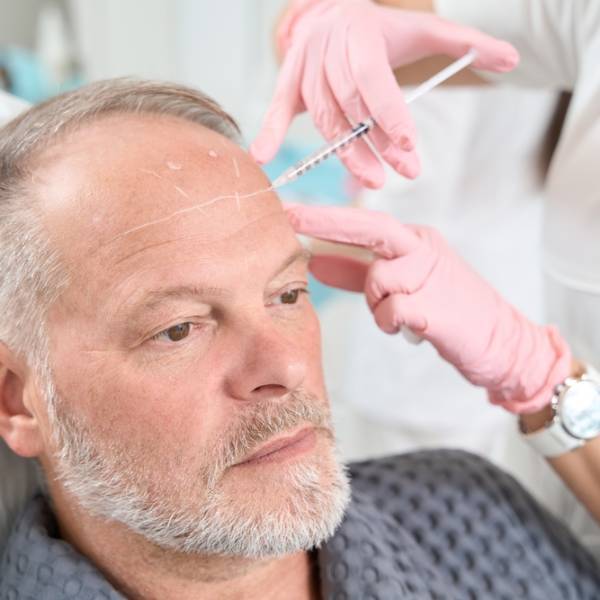
Cellara Pain Institute’s regenerative medicine programme is focused exclusively on musculoskeletal and chronic pain applications: knee osteoarthritis, shoulder tendinopathy, hip degeneration, tendon injuries, plantar fasciitis, and related conditions. Cosmetic PRP applications (hair restoration, facial rejuvenation, under-eye treatment) are outside the scope of this practice.
Understanding what PRP is and precisely how it works is the natural next step for patients evaluating regenerative treatment.
Treatments at Cellara Pain Institute

PRP Therapy for Shoulder Pain
Cellara Pain Institute treats facial and head pain from nerves, muscles, joints, surgery, or infection.

Prolotherapy Treatment for Chronic Knee Pain
Cellara Pain Institute identifies and treats neck pain from nerves, muscles, discs, arthritis, or surgery-related issues.

PRP Therapy for Hip & Knee Arthritis
We treat limb pain from joints, nerves, muscles, diabetes, fractures, or herniated discs at Cellara Pain Institute.

Regenerative Medicine Therapy for Hip & Knee Pain
Cellara Pain Institute specialists uncover root pelvic pain causes and offer personalized treatment for long-term relief.

Regenerative Medicine Therapy for Shoulder Pain
Services for Advanced Regenerative Medicine:
Are you ready to embrace the future of healthcare? At Cellara Pain Institute, our Harvard-trained experts specialize in a range of cutting-edge regenerative medicine services that can transform your well-being. Discover our services below:
Platelet Rich Plasma (PRP) Therapy
Bone Marrow Aspiration Concentrate (BMAC) Therapy
Shockwave Therapy
Alpha 2 Macroglobulin Injections
Intraosseous Injection with PRP and/or BMAC

Why Choose Us?

Harvard-Trained Experts
Our team is composed of highly skilled professionals with world-class training from Harvard University. Their advanced expertise and commitment to excellence ensure that you receive care from some of the most exceptional medical practitioners in the field.

Advanced Regenerative Therapies
We specialize in advanced regenerative therapies designed to surpass the limitations of traditional treatments. By activating the body’s natural healing mechanisms, our innovative approaches deliver impactful and lasting results.

Personalized Care
At Cellara Pain Institute, we prioritize personalized care tailored to your unique needs. Our team takes the time to understand your individual circumstances, creating custom treatment plans designed to deliver the most effective outcomes.

State-of-the-Art Facilities
Our state-of-the-art facilities are equipped with the latest medical technologies to support advanced regenerative care. Patients can expect a comfortable, seamless, and efficient treatment experience in a modern and welcoming environment.
We Are Unique
At Cellara Pain Institute, we stand out from the rest through
Scientific Excellence:
Rooted in rigorous scientific research and guided by Harvard-trained expertise, our treatments are built on evidence-based practices that consistently deliver exceptional outcomes.
Integrative Approach
We embrace a holistic approach to healthcare, focusing on the root causes of each condition while promoting complete wellness. Our regenerative therapies are thoughtfully designed to enhance your body’s natural ability to heal and restore balance.
Commitment to Patient Success
Your well-being is at the heart of everything we do. We are dedicated to delivering meaningful results for every patient, offering personalized care, ongoing support, and expert guidance throughout your healing journey.
Regenerative Medicine
FAQ
Did you know that regenerative medicine offers innovative approaches to accelerate the body’s natural healing processes and promote tissue regeneration? Discover how this cutting-edge field harnesses the body’s own potential to restore, repair, and rejuvenate damaged tissues, opening up new possibilities for personalized medicine and improved patient outcomes.
Am I a Candidate for Regenerative Medicine Therapies?
If you are experiencing chronic pain, joint discomfort, sports-related injuries, or conditions that have not improved with traditional treatments, you may be a strong candidate for regenerative medicine. The first step is to schedule a consultation with a qualified specialist at Cellara Pain Institute to assess your condition. Following a thorough evaluation, your provider will determine if regenerative therapy is appropriate for you and design a personalized treatment plan to support your recovery and long-term wellness.
What Can I Expect During Regenerative Medicine Therapy?
At Cellara Pain Institute, regenerative medicine therapy begins with a personalized treatment plan tailored to your unique needs. These therapies are designed to harness the body’s natural healing abilities by promoting tissue repair, reducing inflammation, and stimulating regenerative processes at the cellular level.
Treatment may involve the use of specialized proteins, growth factors, or bioactive molecules that support the regeneration of damaged tissues. Our advanced techniques and state-of-the-art technologies aim to relieve pain, restore function, and enhance overall well-being—without the need for invasive procedures or long recovery times.
How Long Do the Effects of Regenerative Medicine Therapy Last?
Following regenerative medicine therapy, many patients begin to notice improvements within a few weeks, with continued progress over several months as the body’s natural healing processes take effect. While results vary based on the condition being treated and individual factors, the effects of regenerative therapies are typically long-lasting.
Although not always permanent, these treatments can offer significant and sustained relief—often reducing or eliminating the need for ongoing medications or invasive procedures. Your provider at Cellara Pain Institute will monitor your progress and recommend follow-up care as needed to support long-term results.
What Areas Do You Serve?
At Cellara Pain Institute, we proudly provide regenerative treatments—including PRP injections and prolotherapy—to patients in Madison, NJ 07940. Our care extends beyond borders, welcoming individuals seeking advanced, non-invasive solutions for pain and recovery.


PLATELET-RICH PLASMA (PRP) THERAPY
What Is PRP Therapy? Your Body’s Own Healing Power
Platelet-Rich Plasma (PRP) therapy is one of the most exciting advances in regenerative medicine — and it begins with something you already have: your own blood.
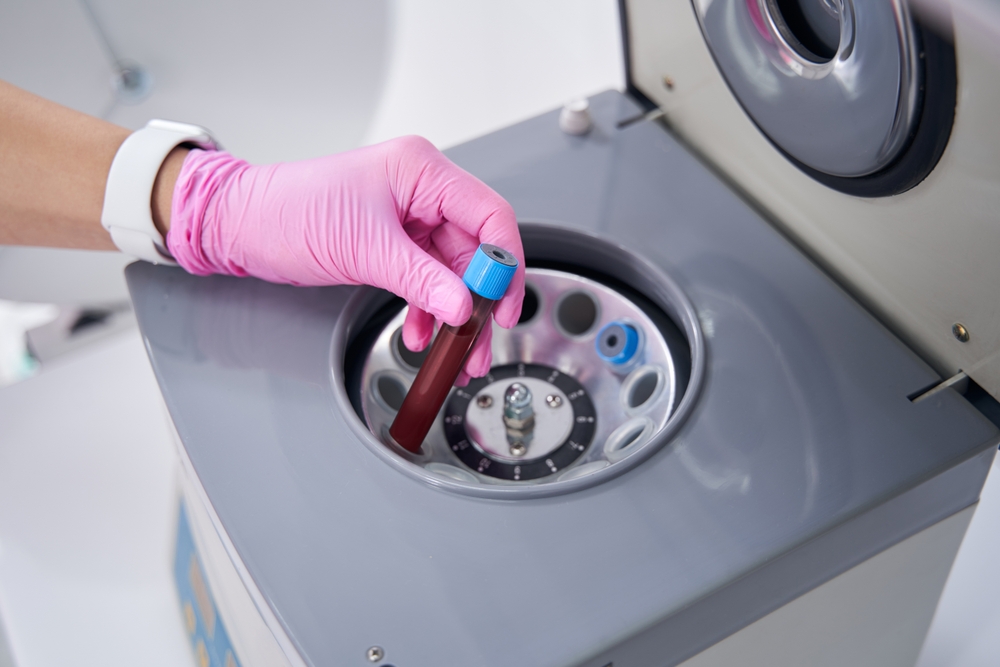
A small sample of your blood is drawn, then placed in a centrifuge — a medical device that spins the blood at high speed to separate its components. This process concentrates the platelets, which are tiny cells naturally packed with powerful growth factors and healing proteins. The resulting PRP solution contains platelet concentrations far higher than what normally circulates in your bloodstream. That concentrated solution is then precisely injected into the area of pain or injury.
At Cellara Pain Institute, PRP injections are performed by Dr. Mohamed Osman under fluoroscopic (X-ray) or ultrasound guidance to ensure pinpoint accuracy — so the healing solution reaches exactly where it needs to go.
PRP is not a medication. There are no foreign chemicals, synthetic drugs, or animal-derived products. It is entirely your own biology, optimized and reintroduced to support healing where your body needs it most.
How Does PRP Work? The Science Behind the Healing
Platelets are best known for their role in clotting — stopping bleeding when you’re injured. But their deeper role is as biological construction foremen. When platelets arrive at a damaged site, they release a cascade of growth factors and signaling proteins that:
- Signal local cells to begin repair and regeneration
- Stimulate the production of new collagen (the structural protein in tendons, cartilage, and ligaments)
- Promote the formation of new blood vessels (angiogenesis), improving circulation to injured tissue
- Reduce the chronic inflammatory environment that perpetuates pain
- Activate stem cells already present in surrounding tissues, encouraging tissue regeneration
Key growth factors in PRP include: Platelet-Derived Growth Factor (PDGF), Transforming Growth Factor Beta (TGF-β), Vascular Endothelial Growth Factor (VEGF), Fibroblast Growth Factor (FGF), Insulin-Like Growth Factor (IGF), and Epidermal Growth Factor (EGF).
PRP for Joints — Restoring Comfort and Function
PRP for Knee Pain and Knee Osteoarthritis
The knee is the most studied joint for PRP therapy. Osteoarthritis of the knee causes the protective cartilage between bones to thin and break down, leading to pain, stiffness, swelling, and reduced range of motion. PRP knee injections deliver concentrated growth factors directly into the joint space, working to reduce the inflammatory cycle that accelerates cartilage breakdown and support the synovial fluid environment that lubricates the joint.
Common symptoms addressed: Knee pain with walking or stairs, morning stiffness, swelling, grinding or clicking sensations, loss of mobility.
PRP for Hip Pain and Hip Osteoarthritis
PRP hip injections are guided precisely into the hip joint or targeted soft tissue structure under ultrasound or fluoroscopic imaging, aiming to reduce intra-articular inflammation and support the surrounding soft tissue environment.
Common symptoms addressed: Deep groin pain, outer hip aching, stiffness after rest, pain with prolonged sitting or walking, limited range of motion.
PRP for Shoulder Pain
Shoulder conditions that may benefit from PRP therapy include osteoarthritis of the glenohumeral joint, rotator cuff tears, labral pathology, and acromioclavicular (AC) joint degeneration. PRP shoulder injections are delivered with ultrasound guidance, allowing Dr. Osman to target the exact structure involved.
Common symptoms addressed: Shoulder pain at rest or with lifting, difficulty reaching overhead or behind the back, night pain, weakness, grinding or catching with movement.
PRP for Ankle, Wrist, and Elbow Pain
PRP therapy is also effective for ankle osteoarthritis, wrist conditions (TFCC tears, De Quervain’s tenosynovitis), elbow conditions (tennis elbow, golfer’s elbow), and sacroiliac (SI) joint dysfunction — all delivered under precise ultrasound or fluoroscopic guidance.
PRP for Spine Conditions
Degenerative Disc Disease (DDD): Intradiscal PRP therapy involves the precise injection of PRP directly into the affected disc under fluoroscopic guidance. Growth factors support the survival and activity of nucleus pulposus cells and work to modulate the inflammatory environment within the disc.
Facet Joint Arthritis: PRP facet joint injections introduce concentrated growth factors into these small spinal joints under fluoroscopic image guidance, targeting the inflammatory and degenerative processes that cause facet-mediated pain.
Herniated Discs: Peridiscal and intradiscal PRP injections are used to support the disc’s natural repair mechanisms and reduce the inflammatory signals that exacerbate nerve irritation.
PRP for Soft Tissue, Tendons & Ligaments
PRP is highly effective for: Rotator Cuff Tears, Labral Tears (Hip and Shoulder), Meniscus Injuries, Tennis Elbow (Lateral Epicondylitis), Golfer’s Elbow (Medial Epicondylitis), Achilles Tendinopathy, Plantar Fasciitis, Patellar Tendinopathy (Jumper’s Knee), and Hamstring Injuries.
Who Is a Good Candidate for PRP Therapy?
PRP therapy may be a good fit if you:
- Have chronic pain in a joint, tendon, ligament, disc, or nerve that has not responded adequately to conservative measures
- Are seeking a biologically based, minimally invasive alternative to or bridge before surgery
- Have been diagnosed with osteoarthritis, tendinopathy, partial tears, or degenerative disc disease
- Prefer a treatment using your own biology rather than synthetic medications
What to Expect: Your PRP Experience at Cellara Pain Institute
The Day of Your Procedure: A small amount of blood (typically 30–60 mL) is drawn from your arm. The blood is placed in a centrifuge and spun for approximately 10–15 minutes. Under fluoroscopic (X-ray) or ultrasound guidance, Dr. Osman precisely delivers the PRP to the exact target area. The entire appointment typically lasts 45–90 minutes.
After Your Procedure: Some soreness or temporary increase in pain is normal following PRP. Avoid anti-inflammatory medications (NSAIDs) for several weeks post-injection. Many patients receive a series of 1–3 injections depending on the condition and response. Improvements may develop gradually over 4–12 weeks.
Ready to explore whether PRP is right for you? Call us at 267-500-9595 or schedule a consultation online — and take the first step toward feeling better.
BMAC (BONE MARROW ASPIRATE CONCENTRATE) THERAPY
What Is BMAC? A More Potent Regenerative Tool
Bone Marrow Aspirate Concentrate — BMAC — is one of the most advanced regenerative therapies available in interventional medicine today. Like PRP, BMAC uses your own biology to support healing. But it taps into an even richer source: your bone marrow.
Bone marrow is the spongy tissue found inside certain bones, particularly the pelvis. It is one of the most biologically active tissues in the human body — a reservoir of mesenchymal stem cells (also called progenitor cells), growth factors, cytokines, and other regenerative signaling molecules that play central roles in tissue repair, cartilage maintenance, bone healing, and immune modulation.
In a BMAC procedure, a small amount of bone marrow is harvested from the patient’s posterior iliac crest (the back of the hip bone) using a specialized needle under local anesthesia. The aspirate is then concentrated through centrifugation to isolate and amplify its regenerative components. The resulting BMAC solution is then precisely injected under imaging guidance into the affected joint, disc, or tissue.
How Is BMAC Different from PRP?
Both PRP and BMAC are autologous (from your own body) regenerative therapies, and both utilize growth factors to support healing. But they differ meaningfully in their composition and biological potency:
| Feature | PRP | BMAC |
|---|---|---|
| Source | Blood (venous draw) | Bone marrow (iliac crest) |
| Key Components | Platelets, growth factors | Mesenchymal progenitor cells, growth factors, cytokines, exosomes |
| Regenerative Potency | High | Very High |
| Cell Content | No live stem cells | Yes — mesenchymal progenitor/stem cells |
| Ideal For | Tendinopathies, early-mid arthritis, ligament injuries | Advanced arthritis, cartilage defects, bone-on-bone changes |
BMAC for Joints
BMAC for Knee Osteoarthritis — Including Bone-on-Bone Conditions
Knee osteoarthritis is the leading cause of disability in adults, and many patients are told their only option when cartilage is severely degraded is total knee replacement. BMAC therapy offers a biologically based alternative worth exploring.
When cartilage loss is advanced — including cases described as “bone-on-bone” — BMAC’s mesenchymal progenitor cells, concentrated growth factors, and anti-inflammatory cytokines work together to create a more potent regenerative environment within the joint.
Common symptoms: Significant knee pain with activity or at rest, swelling, stiffness, bone-on-bone findings on X-ray or MRI, loss of mobility.
BMAC for Hip Osteoarthritis
When hip pain is severe enough to impact sleep, walking, or basic daily activities, and other treatments have provided insufficient relief, BMAC therapy may offer a meaningful regenerative option. BMAC hip injections under fluoroscopic or ultrasound guidance deliver progenitor cells and concentrated growth factors directly to the joint.
Common symptoms: Deep groin or hip pain, difficulty with walking or prolonged standing, pain at night, reduced range of motion, advanced OA on imaging.
BMAC for Shoulder and Ankle
BMAC shoulder therapy targets the joint space and/or periarticular tissues under ultrasound guidance, particularly considered in patients with more advanced glenohumeral joint arthritis. BMAC ankle injections introduce progenitor cells and growth factors to support cartilage and subchondral bone health for post-traumatic ankle arthritis and osteochondral lesions of the talus.
BMAC for Spine Conditions
Intradiscal BMAC therapy delivers mesenchymal progenitor cells and concentrated growth factors directly into the nucleus pulposus of the affected disc under fluoroscopic guidance, supporting the survival and function of disc cells, restoring a more favorable intradiscal biological environment, and modulating chronic inflammatory signals that contribute to discogenic pain.
BMAC for Advanced Cartilage Damage and Bone-on-Bone Conditions
One of the most significant advantages BMAC holds over other regenerative therapies is its potential utility in advanced cartilage degeneration. The mesenchymal progenitor cells in BMAC may:
- Differentiate toward chondrocyte-like cells, supporting the biological scaffolding for tissue repair
- Release paracrine signals that reduce the inflammatory cascade destroying remaining cartilage
- Support the subchondral bone environment, which plays a critical role in joint health
- Provide anti-apoptotic signals that support the survival of remaining chondrocytes
What to Expect: Your BMAC Experience at Cellara Pain Institute
BMAC therapy is performed as an outpatient procedure and typically requires 2–3 hours from start to finish.
Step 1 — Bone Marrow Harvest: The posterior iliac crest (back of the hip bone) is cleaned and a local anesthetic is administered. Dr. Osman uses a specialized trocar needle to access the bone marrow cavity and aspirate a small volume of bone marrow — typically 30–60 mL. Most patients describe the sensation as pressure rather than significant pain.
Step 2 — Concentration: The bone marrow aspirate is placed in a centrifuge and processed to concentrate the progenitor cells, growth factors, and regenerative components.
Step 3 — Injection: Under fluoroscopic or ultrasound image guidance, the concentrated BMAC is precisely injected into the target joint, disc, or tissue.
After Your Procedure: Some soreness at both the harvest site and the injection site is normal. Response to BMAC may develop over 6–12 weeks or longer, as biological repair is a gradual process.
Who Is a Good Candidate for BMAC Therapy?
BMAC therapy may be particularly well-suited for you if you:
- Have moderate to severe joint degeneration (including bone-on-bone changes) that has not responded to PRP or cortisone injections
- Have been told you may need joint replacement surgery but wish to explore all non-surgical options first
- Have significant degenerative disc disease causing chronic spine pain
- Have osteochondral lesions or complex cartilage defects
To learn whether BMAC therapy could be part of your path forward, call Cellara Pain Institute at 267-500-9595 or request a consultation online.