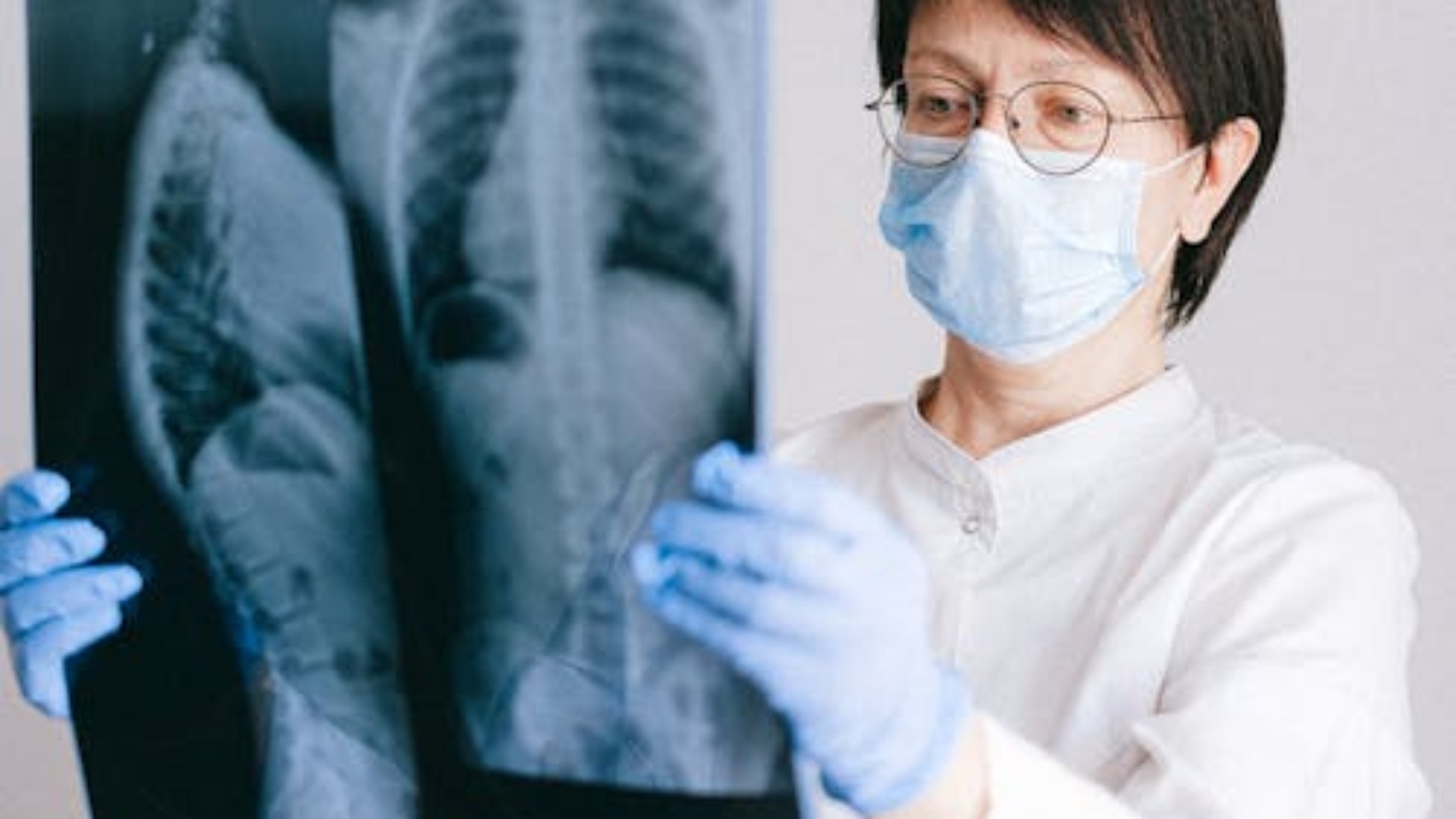
Daily pain management routine - Cellara Pain Institute Bucks County

How to Build a Summer Pain Management Routine That Actually Works

Published: June 7, 2026 | Cellara Pain Institute | Doylestown, PA


Most pain management advice comes as individual tips: drink water, stretch, get enough sleep. But tips without structure rarely stick. What actually works is a routine — a daily sequence of small actions that compound into better days.

Here’s how to build one for your summer in Bucks County.

Start with Your Non-Negotiables

Before planning anything ambitious, identify the 2-3 things that make the biggest difference in your pain levels. For most patients, these fall into a few categories:

Movement: Not exercise in the gym sense — just the minimum daily movement that prevents stiffness. For some, that’s a 10-minute morning walk. For others, it’s 5 minutes of floor stretching or a short swim at the YMCA in Doylestown.

Hydration: We covered this in Tuesday’s post. Make it a timed habit, not an “if I remember” habit.

Medication timing: If you take prescription medications, taking them at consistent times matters. Set phone alarms. Keep a simple log so you can show your doctor what’s working.

Sleep schedule: Going to bed and waking up at consistent times — even on weekends — regulates your circadian rhythm and reduces inflammation.

The Daily Template

Here’s a flexible framework. Customize the activities, but keep the structure:

Morning (First 60 Minutes After Waking)

  • Drink a full glass of water with a pinch of salt
  • 5-10 minutes of gentle movement: stretching in bed, a short walk around the block, or a warm shower with gentle neck and shoulder rolls
  • Take morning medications at the same time
  • Eat something small — an empty stomach amplifies pain sensitivity

Midday (The Active Window)

  • Plan any outdoor activities for this period IF temperatures are moderate (before 11 AM or after 4 PM in Bucks County summers)
  • If you’re indoors, set a timer to stand and move every 45 minutes
  • Have your largest meal at lunch if evening eating triggers discomfort

Afternoon (The Energy Dip)

  • Most people experience a natural energy dip around 1-3 PM. Instead of fighting it, plan a rest period: 20-30 minutes of lying down, meditation, or gentle reading. Not scrolling on your phone — active rest.
  • Hydrate again. By mid-afternoon, you’re likely behind on water.

Evening (Wind-Down)

  • Stop eating 2-3 hours before bed
  • A warm (not hot) bath or shower 60-90 minutes before sleep
  • Gentle stretching for any areas that tightened during the day
  • Screen-free wind-down: music, reading, conversation
  • Bedtime medications at a consistent time

The Weekly Layer

Daily routines keep you stable. Weekly planning prevents the boom-bust cycle we discussed on Day 5.

  • Activity Day → Rest Day pattern: If Thursday is your day to visit the Langhorne Summer Concert Series or walk at Tyler State Park, keep Friday lighter.
  • Prep Sunday: On Sundays, look at the week ahead. Which days will be demanding? Where can you build in rest?
  • Track one thing: Don’t try to track everything. Pick one metric — pain level on a 1-10 scale at 8 PM, or number of hours slept — and track just that. Patterns will emerge within 2 weeks.

The Local Angle

Here’s how to weave Bucks County into your routine:

  • Morning walk: Peace Valley Park’s paved paths are shaded and flat — ideal for joint-friendly walking.
  • Midday cool-down: The Doylestown Library is air-conditioned and quiet. Perfect for a rest break if you’re out running errands.
  • Weekend activity: The Doylestown Farmers Market (Wednesday and Saturday) combines walking, socializing, and access to anti-inflammatory foods. Go early to beat the heat.
  • Water movement: Check the Central Bucks Family YMCA or local community pools for arthritis-friendly water exercise classes.

When a Routine Isn’t Enough

If you’ve built a solid routine and still struggle with daily pain, the issue isn’t your effort — it’s the underlying condition. Pain that persists despite lifestyle management needs professional evaluation.

At Cellara Pain Institute, we don’t just hand you a list of tips. We diagnose the source of your pain and create a personalized, evidence-based treatment plan — so your routine works because your pain is actually being treated.

Start with a thorough evaluation. Book your consultation today — in Doylestown or via telehealth.


Cellara Pain Institute: Harvard-trained pain specialists serving Doylestown, Langhorne, and greater Bucks County.


Ready to Get Relief?

Cellara Pain Institute serves patients in
Doylestown, PA, Langhorne, PA, and throughout Bucks County.

In-person visits & tele-visits  ·  Same-week appointments  ·  No referral needed

📞 (267) 500-9595
  ·  
✉ admin@cellarapain.com

Most major PPO insurance plans accepted

This content is for educational purposes only and does not constitute medical advice. Consult a qualified healthcare provider for personalized medical guidance.
Cellara Pain Institute serves patients in Doylestown, PA, Langhorne, PA, and throughout Bucks County, Pennsylvania.


Heat vs cold therapy for pain relief - Cellara Pain Institute

Heat vs. Cold Therapy: Which One Actually Helps Your Pain in Summer?

Published: June 6, 2026 | Cellara Pain Institute | Doylestown, PA


Heat or ice? It’s one of the most common questions pain patients ask — and one of the most commonly misunderstood. During a Bucks County summer, the answer matters even more, because applying the wrong therapy at the wrong time can prolong your flare-up.

The Simple Rule (With Nuance)

Heat = chronic, stiffness, muscle tightness

Cold = acute, inflammation, recent injury

But let’s go deeper, because the real answer depends on what kind of pain you’re experiencing and when.

When to Use Cold Therapy

Cold (ice packs, cold gel, cold baths) constricts blood vessels, which:

  • Reduces blood flow to an inflamed area
  • Numbs nerve endings (temporary pain relief)
  • Decreases metabolic activity in tissues

Best Uses for Cold:

Immediately after activity that flared your pain. Whether it’s a walk around Doylestown Borough or an afternoon of gardening, if your back, knee, or shoulder feels hot, swollen, or throbbing afterward, apply cold within the first 24-48 hours.

During a migraine. Cold compresses on the forehead or neck can constrict dilated blood vessels — a common feature of migraines — and provide significant relief.

For acute joint swelling. If your knee or hand joint is visibly swollen and warm, cold is the right choice. Summer heat can make joint inflammation worse; cold directly counteracts this.

Post-procedure. After an interventional pain procedure (like an injection), your physician will typically recommend cold therapy to manage localized inflammation.

How to Apply Cold Correctly

  • Use an ice pack wrapped in a thin, damp towel (never directly on skin)
  • Apply for 15-20 minutes maximum
  • Wait at least 1 hour between applications
  • Never use cold on areas with poor circulation or numbness

When to Use Heat Therapy

Heat (heating pads, warm baths, paraffin wax) dilates blood vessels, which:

  • Increases blood flow and oxygen delivery
  • Relaxes tight, spasming muscles
  • Improves tissue flexibility
  • Reduces stiffness

Best Uses for Heat:

Morning stiffness. If you wake up stiff and achy — common with arthritis and fibromyalgia — heat helps loosen things up. A warm shower or heating pad for 15-20 minutes can improve morning mobility.

Muscle spasms and tension. If your pain feels like a tight band or knot, heat is usually the right call. Muscle spasms respond well to increased blood flow.

Before activity or stretching. Applying heat before gentle movement warms up tissues, making them more pliable and less prone to injury. Think of it as a warm-up for your muscles and joints.

Chronic, dull, aching pain that doesn’t have visible swelling or heat.

How to Apply Heat Correctly

  • Use a moist heating pad (or place a damp cloth between dry heat and skin)
  • Apply for 15-20 minutes
  • Never sleep with a heating pad
  • Avoid heat on areas with decreased sensation

The Summer Twist

During hot weather, your body is already warm. You might think heat therapy isn’t needed. But the type of heat that helps pain — localized, moist, therapeutic heat — is different from ambient summer heat, which can actually increase inflammation.

Summer-specific recommendations:

  • Cold therapy works exceptionally well in summer. You’re less likely to feel uncomfortably chilled, and your body can tolerate it longer.
  • If using heat in summer, target specific areas only. Don’t use full-body heat like a hot bath on an already-hot day — you’ll raise your core temperature and feel miserable.
  • Alternate if needed. Some conditions benefit from contrast therapy: 3-4 minutes of heat followed by 1 minute of cold, repeated 3 times. Always end with cold if there’s inflammation, or heat if the primary issue is stiffness.

When Neither Heat Nor Cold Is Enough

Heat and cold are symptom management tools — they don’t treat the underlying cause of chronic pain. If you’re applying ice or heat every day just to get through, it’s time to address the root problem.

At Cellara Pain Institute, our Harvard-trained specialists diagnose and treat the source of your pain — whether it’s a disc issue, nerve compression, arthritic joint, or complex chronic pain condition. We offer interventional procedures, medication management, and multi-modal care plans designed for lasting relief.

Stop managing symptoms alone. Book a consultation — in Doylestown or via telehealth.


Cellara Pain Institute: Evidence-based, compassionate pain care for Doylestown, Langhorne, and all Bucks County communities.


Ready to Get Relief?

Cellara Pain Institute serves patients in
Doylestown, PA, Langhorne, PA, and throughout Bucks County.

In-person visits & tele-visits  ·  Same-week appointments  ·  No referral needed

📞 (267) 500-9595
  ·  
✉ admin@cellarapain.com

Most major PPO insurance plans accepted

This content is for educational purposes only and does not constitute medical advice. Consult a qualified healthcare provider for personalized medical guidance.
Cellara Pain Institute serves patients in Doylestown, PA, Langhorne, PA, and throughout Bucks County, Pennsylvania.

Pacing activities with chronic pain - Cellara Pain Institute

Why ‘Pushing Through’ Summer Activities Can Make Your Pain Worse

Published: June 5, 2026 | Cellara Pain Institute | Doylestown, PA


Summer in Bucks County brings a flood of activity: gardening, hiking at Peace Valley Park, the Langhorne Summer Concert Series, family barbecues, and endless yard work. The temptation to “push through” pain to enjoy these moments is strong. But that instinct can actually set you back.

The Boom-Bust Cycle

Pain specialists have a name for the pattern of overdoing it on good days and crashing on bad days: the boom-bust cycle. It looks like this:

1. You wake up feeling decent

2. You tackle everything on your to-do list — the garden, the errands, the walk you’ve been meaning to take

3. By evening, pain flares badly

4. You spend the next 1-3 days recovering, doing almost nothing

5. You feel frustrated and behind, so the next time you feel okay, you overdo it again

This cycle doesn’t just cause pain spikes — it can actually worsen your underlying condition over time. Each “bust” phase involves increased inflammation and muscle guarding that can create new pain patterns.

The Alternative: Pacing

Pacing is the art of doing what matters without triggering a flare. It’s not about doing less — it’s about doing things differently.

The Rule of Thirds

For any activity you want to do, estimate what you think you can handle. Then do one-third of that. Seriously. If you think you can garden for an hour, garden for 20 minutes, take a break, and reassess. Most chronic pain patients consistently overestimate their capacity because they remember their pre-pain baseline.

Activity Switching

Instead of doing one thing for a long stretch, rotate between different types of activities:

  • 20 minutes of gardening (standing/bending)
  • 20 minutes of a seated task
  • 20 minutes of gentle walking or stretching

This prevents any single set of muscles or joints from being overloaded.

The 10-Minute Rule

If an activity starts to cause increased pain, stop after 10 minutes regardless. Pain isn’t weakness to push through — it’s a signal. Ignoring it trains your nervous system to amplify pain signals over time.

Summer-Specific Pacing Tips

Gardening in Doylestown

  • Use raised beds or containers to minimize bending
  • Invest in long-handled tools
  • Garden in the early morning before heat intensifies
  • Alternate between standing tasks and seated potting-bench work

Community Events (Langhorne Concerts, Car Shows)

  • Bring your own chair with back support — don’t rely on bleachers or hard benches
  • Arrive early to get a spot where you can stand, sit, and move as needed
  • Plan for a rest day after big events

Walking Trails and Parks

  • Start with short, flat trails. Peace Valley Park has accessible paths that are gentler on joints.
  • Use trekking poles — they reduce load on knees and back by up to 25%
  • Bring water and take sitting breaks, even if you don’t feel tired yet

Signs You’re Entering a Boom-Bust Cycle

  • You have “good days” and “bad days” in a predictable alternating pattern
  • Your pain spikes in the evening after active days
  • You feel you need to “make up for” inactive days
  • You measure a day’s success by how much you accomplished, not how you feel

If this sounds familiar, you’re not alone — and you’re not failing. The boom-bust cycle is a physiological pattern, not a character flaw. Breaking it requires strategy, not willpower.

When Pacing Isn’t Enough

If you’re constantly stuck in the boom-bust cycle despite careful pacing, your underlying condition may need more targeted treatment. At Cellara Pain Institute, we help Bucks County patients break free of this pattern with comprehensive, evidence-based care — including interventional procedures, medication management, and personalized activity guidance.

You deserve to enjoy summer — not just survive it. Book a consultation today.


Cellara Pain Institute: Serving Doylestown, Langhorne, and all of Bucks County. In-person and telehealth appointments available.


Ready to Get Relief?

Cellara Pain Institute serves patients in
Doylestown, PA, Langhorne, PA, and throughout Bucks County.

In-person visits & tele-visits  ·  Same-week appointments  ·  No referral needed

📞 (267) 500-9595
  ·  
✉ admin@cellarapain.com

Most major PPO insurance plans accepted

This content is for educational purposes only and does not constitute medical advice. Consult a qualified healthcare provider for personalized medical guidance.
Cellara Pain Institute serves patients in Doylestown, PA, Langhorne, PA, and throughout Bucks County, Pennsylvania.

Sleep and chronic pain management - Cellara Pain Institute

Summer Sleep and Chronic Pain: How to Rest Better When It’s Hot

Published: June 4, 2026 | Cellara Pain Institute | Doylestown, PA


Sleep and pain share a vicious cycle: pain makes it hard to sleep, and poor sleep amplifies pain. In summer, when Bucks County nights stay warm and humid well past sunset, that cycle gets even harder to break.

The Pain-Sleep Connection, Explained

When you don’t sleep well, your body produces more inflammatory cytokines — proteins that signal your immune system to create inflammation. At the same time, poor sleep reduces your natural pain tolerance. A 2019 study in the Journal of Neuroscience found that just one night of fragmented sleep reduced pain threshold by 15%.

Now add summer heat: your body needs to cool down to initiate and maintain deep sleep. Core body temperature naturally drops by 1-2°F as you fall asleep. If your bedroom is too warm, that drop can’t happen efficiently — meaning you spend less time in the restorative deep-sleep stages.

For chronic pain patients, this combination often means:

  • Difficulty falling asleep due to discomfort
  • Waking multiple times during the night
  • Morning stiffness that’s worse than usual
  • Increased fatigue, which lowers pain tolerance further

8 Strategies for Better Summer Sleep

1. Cool Your Room Actively

The ideal sleep temperature is 65-68°F. In Doylestown summers, that may mean running your AC at night or using a window unit in the bedroom specifically. A fan alone moves air but doesn’t lower temperature enough on humid nights.

2. Use Cooling Bedding

Switch to breathable cotton or bamboo sheets. Consider a cooling mattress topper or pillow — gel-infused memory foam options are widely available and can reduce surface temperature by several degrees.

3. Take a Warm (Not Cold) Bath Before Bed

Counter-intuitive, but effective: a warm bath 60-90 minutes before bed raises your core temperature temporarily. The subsequent drop signals your body it’s time for sleep. This also helps relax tight, painful muscles.

4. Strategic Pain Medication Timing

If you take medication for pain, ask your doctor about timing it so peak effectiveness coincides with bedtime. Never adjust medication schedules without consulting your physician.

5. Create a Wind-Down Routine

Screens emit blue light that suppresses melatonin. In the hour before bed, switch to reading, gentle stretching, or listening to music. The Bucks County Free Library’s Summer Quest program is a great reason to pick up a new book.

6. Position Yourself for Pain Relief

Back pain: sleep on your side with a pillow between your knees. Neck pain: ensure your pillow keeps your spine neutral — not too high, not too flat. Hip pain: a body pillow can prevent your top leg from pulling your spine out of alignment.

7. Limit Evening Food and Drink

A full stomach can cause discomfort that interferes with sleep. Alcohol might help you fall asleep faster, but it fragments sleep quality significantly. Finish eating at least 2-3 hours before bed.

8. Manage Nighttime Anxiety

Pain often brings anxiety — and anxiety worsens pain. If your mind races at night, try a simple technique: breathe in for 4 counts, hold for 4, exhale for 6. Repeat 5 times. This activates your parasympathetic nervous system and reduces stress hormones.

When Sleep Problems Signal Something Bigger

If you’ve tried these strategies and still can’t sleep because of pain, the underlying condition needs attention — not just the sleep symptoms. Chronic pain conditions like fibromyalgia, neuropathy, and spinal issues are particularly disruptive to sleep architecture.

At Cellara Pain Institute, we evaluate the full picture. Better sleep often follows effective pain treatment — not the other way around.

Stop losing sleep to pain. Schedule a consultation — in person in Doylestown or via telehealth.


Cellara Pain Institute: Harvard-trained specialists providing comprehensive pain care to Bucks County, including Doylestown and Langhorne.


Ready to Get Relief?

Cellara Pain Institute serves patients in
Doylestown, PA, Langhorne, PA, and throughout Bucks County.

In-person visits and tele-visits . Same-week appointments . No referral needed

(267) 500-9595
.
admin@cellarapain.com

Most major PPO insurance plans accepted

This content is for educational purposes only and does not constitute medical advice. Consult a qualified healthcare provider for personalized medical guidance.
Cellara Pain Institute serves patients in Doylestown, PA, Langhorne, PA, and throughout Bucks County, Pennsylvania.

Barometric pressure and joint pain - Cellara Pain Institute Doylestown

The Surprising Link Between Barometric Pressure and Your Joint Pain

Published: June 3, 2026 | Cellara Pain Institute | Doylestown, PA


“My knee always knows when it’s going to rain.”

If you’ve said something like this — or heard a family member say it — you’re not alone. And it’s not an old wives’ tale. The connection between weather and joint pain is real, documented in medical research, and especially relevant for Bucks County residents dealing with summer thunderstorms.

The Science: Pressure Changes and Your Body

Barometric pressure is the weight of the atmosphere pressing down on everything — including you. When a storm approaches, barometric pressure drops. This drop means less external pressure on your body.

Here’s what happens inside your joints:

Tissues expand slightly. With less atmospheric pressure pushing in, the tissues surrounding your joints — including inflamed synovial membranes — have room to expand. Even microscopic expansion in an already-inflamed joint can trigger pain receptors.

Nerve endings become more sensitive. Research published in the Journal of Rheumatology found that patients with osteoarthritis reported increased pain sensitivity during periods of falling barometric pressure. The nerves in and around damaged joints appear to be particularly responsive to these pressure changes.

Synovial fluid thickens. In some patients, the lubricating fluid inside joints becomes slightly more viscous when pressure drops, reducing its ability to cushion movement.

A 2019 study of over 2,600 participants — the Cloudy with a Chance of Pain study — found that higher humidity, lower pressure, and stronger winds were all independently associated with increased pain. Days with all three? The worst.

Why Bucks County Summers Are Tricky

Southeastern Pennsylvania gets frequent summer thunderstorms. Anyone who’s spent a July in Doylestown knows the pattern: hot, humid mornings that build into afternoon downpours, often with dramatic pressure swings.

These rapid fluctuations are harder on joints than a single weather type. Your body can adapt to a stable pressure level, but when it’s dropping fast — as it does before a summer thunderstorm — adaptation is harder.

6 Ways to Weatherproof Your Joints

1. Track the Forecast

If you know a pressure drop is coming (weather apps show barometric pressure trends), you can prepare. Take anti-inflammatory medications proactively if your doctor has prescribed them as-needed. Plan lighter activity for storm days.

2. Keep Moving

It’s the most counter-intuitive but effective advice. Gentle movement keeps synovial fluid circulating, which helps cushion joints. A short walk around your Doylestown neighborhood before the rain hits, or some indoor stretching, can make a difference.

3. Use Compression

Compression garments or wraps provide external pressure that partially compensates for the drop in atmospheric pressure. They also improve proprioception — your body’s sense of where your joints are in space — which can reduce pain.

4. Warm Up Your Joints

Warmth increases blood flow and can reduce stiffness. A warm bath, heating pad, or paraffin wax treatment for hand joints can help on high-humidity, low-pressure days.

5. Stay Hydrated

Dehydration thickens joint fluid and reduces its cushioning ability. Summer thunderstorms mean heat AND humidity — both of which increase fluid loss. Drink water consistently throughout the day.

6. Anti-Inflammatory Diet

Certain foods help your body regulate inflammation. Omega-3 fatty acids (salmon, walnuts), turmeric, ginger, and berries all have natural anti-inflammatory properties. The Doylestown Farmers Market opens Wednesday and Saturday — perfect timing to stock up.

When Joint Pain Signals Something More

Occasional weather-related joint discomfort isn’t necessarily a reason for concern. But if you experience:

  • Joint pain lasting more than a few days
  • Pain that wakes you from sleep
  • Joint swelling, redness, or warmth
  • Pain that limits your daily activities

…it’s time to see a specialist. At Cellara Pain Institute, we distinguish between osteoarthritis, rheumatoid conditions, nerve pain, and referred pain — because the right diagnosis leads to the right treatment.

Don’t let the weather dictate your life. Book a consultation — in person at our Doylestown clinic or via telehealth.


Cellara Pain Institute: Harvard-trained, evidence-based pain care for Doylestown, Langhorne, and Bucks County.


Ready to Get Relief?

Cellara Pain Institute serves patients in
Doylestown, PA, Langhorne, PA, and throughout Bucks County.

In-person visits and tele-visits . Same-week appointments . No referral needed

(267) 500-9595
.
admin@cellarapain.com

Most major PPO insurance plans accepted

This content is for educational purposes only and does not constitute medical advice. Consult a qualified healthcare provider for personalized medical guidance.
Cellara Pain Institute serves patients in Doylestown, PA, Langhorne, PA, and throughout Bucks County, Pennsylvania.

Hydration for chronic pain management - Cellara Pain Institute

7 Hydration Tips Every Chronic Pain Patient in Bucks County Should Know

Published: June 2, 2026 | Cellara Pain Institute | Doylestown, PA


Dehydration and chronic pain have a deeper connection than most people realize. And during a Bucks County summer — when temperatures regularly hit 85°F with high humidity — staying properly hydrated becomes more than a wellness tip. For pain patients, it can mean the difference between a manageable day and a flare-up.

Why Hydration Matters for Pain

Your body is roughly 60% water. Your spinal discs? About 80% water. When you’re dehydrated:

  • Spinal discs lose height and cushioning, increasing pressure on nerves
  • Blood thickens slightly, reducing oxygen flow to tissues
  • Muscles cramp more easily, leading to tension and spasm
  • Joint fluid decreases, reducing the natural lubrication that keeps joints moving smoothly
  • Inflammation markers rise, according to research published in the *European Journal of Clinical Nutrition*

For someone with chronic back pain, fibromyalgia, or arthritis, even mild dehydration (1-2% of body weight) can amplify pain signals. For migraine sufferers, dehydration is one of the most common triggers.

7 Hydration Tips for Pain Patients

1. Start Before You Feel Thirsty

Thirst is a late signal. By the time you feel thirsty, you’re already mildly dehydrated. Make hydration a scheduled habit: drink a glass of water first thing in the morning, one with each meal, and one between meals.

2. Electrolytes, Not Just Water

Plain water flushes through your system quickly. Electrolytes — sodium, potassium, magnesium — help your cells actually absorb and retain that water. For chronic pain patients, magnesium is particularly important. It supports muscle relaxation and nerve function. Try naturally electrolyte-rich options: coconut water, a pinch of sea salt in your water, or an electrolyte powder without excessive sugar.

3. Eat Your Water

About 20% of your daily hydration comes from food. Summer is the perfect season for water-rich foods: cucumbers (96% water), watermelon (92%), strawberries (91%), zucchini, and bell peppers. Next time you’re at the Doylestown Farmers Market, load up on these.

4. Track It (Gently)

You don’t need a complicated app. A simple check: your urine should be light straw-colored. Dark yellow means you need more water. Clear usually means you’ve overdone it and may be flushing out electrolytes.

5. Adjust for Activity and Medication

Many pain medications — including common NSAIDs, muscle relaxants, and certain nerve pain medications — affect your body’s fluid balance or increase sweating. If you’re on medication and spending time outdoors at Tyler State Park or walking the trails along the Delaware Canal, increase your fluid intake accordingly.

6. Limit Dehydrating Drinks

Coffee, tea, and alcohol are diuretics — they make you lose water. You don’t have to eliminate them, but for every caffeinated or alcoholic drink, have an extra glass of water. And skip the sugary sodas and sports drinks; the sugar can actually increase inflammation.

7. Use Heat as Your Reminder

When the temperature climbs above 80°F in Doylestown, set a timer on your phone to drink water every hour. Your body loses water faster than you realize in high humidity — the kind of weather Bucks County knows well.

A Note for Fibromyalgia and Migraine Patients

If you have fibromyalgia, dehydration can intensify the widespread pain and fatigue that characterize the condition. For migraine patients, studies show that even mild dehydration can trigger headaches within hours. If you’re prone to summer migraines, consistent hydration throughout the day — not just when symptoms appear — is essential.

When Hydration Isn’t Enough

Hydration helps, but it’s not a cure for underlying pain conditions. If you’ve tried lifestyle changes and still struggle with daily pain, it may be time for a comprehensive evaluation. At Cellara Pain Institute, our Harvard-trained team creates personalized multi-modal treatment plans for Bucks County patients — addressing the root causes of pain, not just the symptoms.

Available for in-person and telehealth consultations. Book your appointment today.


Cellara Pain Institute serves Doylestown, Langhorne, and all of Bucks County with compassionate, evidence-based pain care.


Ready to Get Relief?

Cellara Pain Institute serves patients in
Doylestown, PA, Langhorne, PA, and throughout Bucks County.

In-person visits and tele-visits . Same-week appointments . No referral needed

(267) 500-9595
.
admin@cellarapain.com

Most major PPO insurance plans accepted

This content is for educational purposes only and does not constitute medical advice. Consult a qualified healthcare provider for personalized medical guidance.
Cellara Pain Institute serves patients in Doylestown, PA, Langhorne, PA, and throughout Bucks County, Pennsylvania.

Summer heat and chronic back pain - Cellara Pain Institute Doylestown PA

Why Your Back Pain Feels Worse in Summer (And What to Do About It)

Published: June 1, 2026 | Cellara Pain Institute | Doylestown, PA


If you live with chronic back pain in Doylestown or anywhere in Bucks County, you may have noticed something puzzling: your pain seems to flare up just when the weather gets beautiful. You’re not imagining it. Summer heat and humidity can genuinely make back pain worse — and there’s science behind why.

The Science: How Heat Affects Your Spine

When temperatures climb into the 80s and 90s — common for a Bucks County summer — several things happen in your body:

Blood vessels expand. Heat causes vasodilation, which increases blood flow. While this sounds good, expanded blood vessels around inflamed areas can put pressure on nerves and tissues, intensifying pain signals.

Muscles relax too much. You might think relaxed muscles would help back pain. But when supporting muscles around your spine become overly relaxed from heat, they provide less structural support to your vertebrae and discs.

Dehydration thickens the problem. You lose more water through sweat in summer. When you’re even mildly dehydrated, the discs between your vertebrae — which are 80% water — lose cushioning capacity. Less cushioning means more pressure on nerves.

Barometric pressure drops before summer storms. Those afternoon thunderstorms we get in Bucks County? The rapid pressure change can cause tissues to expand slightly, aggravating already-sensitive nerve endings.

A 2024 study published in Pain Medicine found that for every 10°F rise in temperature, patients reported a 6% increase in pain intensity. When humidity was factored in, the effect was even stronger.

What You Can Do Starting Today

The good news: understanding why summer aggravates back pain gives you a roadmap for relief. Here’s what our Harvard-trained specialists at Cellara Pain Institute recommend:

1. Hydrate Strategically

Water alone isn’t always enough. In high heat, you lose electrolytes — particularly sodium, potassium, and magnesium — that your muscles and nerves need to function properly. Aim for at least 8-10 glasses of water daily in summer, and consider adding an electrolyte supplement if you’re active outdoors.

2. Time Your Activities

The sun is strongest between 11 AM and 3 PM. If you enjoy Doylestown’s walking trails, the farmers market, or Peace Valley Park, plan your outings for early morning or evening when temperatures are lower.

3. Use Cold Therapy Correctly

Summer is the perfect season for cold therapy. Apply an ice pack wrapped in a thin towel to your lower back for 15-20 minutes after activity — not heat. Cold reduces inflammation; heat can make it worse during an active flare.

4. Wear Breathable Fabrics

Tight, non-breathable clothing traps heat against your back. Lightweight cotton or moisture-wicking fabrics help your body regulate temperature.

5. Don’t Skip Your Movement

It’s tempting to stay sedentary in air conditioning, but prolonged sitting is one of the worst things for back pain. Gentle walking, swimming, or stretching keeps your spine mobile and muscles engaged.

When to Seek Professional Help

If your back pain consistently worsens in summer despite these strategies, it’s time to consult a pain specialist. At Cellara Pain Institute in Doylestown, we offer comprehensive evaluation and evidence-based treatment — from interventional procedures to medication management — tailored to your specific condition. Telehealth consultations are available for your convenience.

Don’t let summer steal another season from you. Book a consultation today.


Cellara Pain Institute provides Harvard-trained, evidence-based pain care to Doylestown, Langhorne, and all of Bucks County. In-person and telehealth appointments available.


Ready to Get Relief?

Cellara Pain Institute serves patients in
Doylestown, PA, Langhorne, PA, and throughout Bucks County.

In-person visits and tele-visits . Same-week appointments . No referral needed

(267) 500-9595
.
admin@cellarapain.com

Most major PPO insurance plans accepted

This content is for educational purposes only and does not constitute medical advice. Consult a qualified healthcare provider for personalized medical guidance.
Cellara Pain Institute serves patients in Doylestown, PA, Langhorne, PA, and throughout Bucks County, Pennsylvania.

Non-surgical spine care treatment

Non-Surgical Spine Care in Doylestown: What Cellara Pain Institute Offers

Target Audience: All patient profiles — local SEO anchor, strong CTA

Word Count: ~1,000 words


Spine pain is one of the most common reasons people seek medical care — and one of the most frequently undertreated. For every patient who gets appropriate, targeted care for their back or neck pain, there are many others who are caught in a cycle of temporary relief and return symptoms, or who are told their only real option is surgery.

Surgery has an important place in spine care. For certain conditions — significant spinal instability, progressive neurological deficits, failed conservative management over an appropriate timeline — surgical intervention can be the right answer. But for the vast majority of patients with chronic back pain, neck pain, disc problems, and related conditions, non-surgical options remain undertapped.

Cellara Pain Institute in Doylestown, PA is dedicated to exactly this space: sophisticated, evidence-based, non-surgical spine care for patients across Bucks County.

The Anatomy of Spine Pain: Why It Is Complicated

The spine is not a simple structure. It is a complex system of vertebrae, intervertebral discs, facet joints, ligaments, muscles, and nerve roots — and pain can originate from any of them, often in combination. Two patients can have identical MRI findings and completely different pain experiences. Another patient can have significant pain with an MRI that looks relatively unremarkable.

This complexity is precisely why spine pain requires careful, individualized assessment — and why a physician who takes the time to understand the specific source of your pain is so much more effective than one who applies a standard protocol to everyone who walks in with back pain.

At Cellara Pain Institute, diagnostic evaluation is thorough. Dr. Mohamed Osman reviews your history, performs a targeted physical examination, and analyzes your imaging in context — not in isolation. The goal is to identify the actual pain generator before recommending any treatment.

Epidural Steroid Injections for Disc and Nerve Root Pain

When a herniated or bulging disc compresses a nerve root, the result is inflammation — and that inflammation is what drives much of the intense pain, burning, and radiating symptoms into the arm or leg. Epidural steroid injections deliver anti-inflammatory medication directly to the epidural space, as close as possible to the inflamed nerve root, where it is most effective.

At Cellara, epidural injections are performed under fluoroscopic guidance with contrast confirmation — the gold standard of technique. Transforaminal, interlaminar, and caudal approaches are all available depending on the anatomy of the patient’s specific condition.

For many patients with disc herniation, stenosis, or radiculopathy, a well-performed epidural steroid injection can provide significant and durable pain relief — often enough to allow meaningful participation in physical therapy and rehabilitation that accelerates overall recovery.

Facet Joint Treatments: From Injections to Radiofrequency Ablation

The facet joints are small paired joints that run along the back of the spine, one pair at each vertebral level. They are a frequently underrecognized source of chronic back and neck pain — responsible for a significant percentage of axial pain that does not have a disc origin.

For facet-mediated pain, Cellara offers a stepwise approach:

Medial branch blocks — diagnostic injections of local anesthetic near the sensory nerves supplying the facet joints. If a block produces significant temporary relief, it confirms that the facet joints are a meaningful pain source.

Facet joint injections — direct injection of anti-inflammatory medication into the joint for therapeutic relief.

Radiofrequency ablation (RFA) — for patients who have responded well to medial branch blocks, RFA uses controlled heat to interrupt pain transmission through the medial branch nerves, providing relief that can last from many months to over a year in appropriate patients.

All of these procedures are performed under fluoroscopic guidance.

Sacroiliac Joint Injections

The sacroiliac (SI) joint connects the base of the spine (the sacrum) to the pelvis and is a surprisingly common source of low back, buttock, and hip pain that is often misattributed to lumbar spine problems. SI joint dysfunction can develop from arthritis, injury, pregnancy-related changes, or altered biomechanics.

Cellara offers diagnostic and therapeutic SI joint injections under image guidance, as well as radiofrequency treatment of the SI joint nerves for appropriate patients seeking longer-term relief.

Regenerative Options for the Spine

For patients with degenerative disc disease or facet arthritis who are interested in regenerative approaches alongside or instead of traditional injections, Cellara offers PRP (Platelet-Rich Plasma) and BMAC (Bone Marrow Aspirate Concentrate) therapies. The evidence base for regenerative spine treatments is still evolving, and Dr. Osman will give you an honest, evidence-informed perspective on whether these options are appropriate in your specific case.

Trigger Point Injections for Muscle-Based Spine Pain

A significant portion of spine-related pain involves the muscles and connective tissue — not just the bony or disc structures. Myofascial trigger points are hyperirritable spots within muscle tissue that can cause localized and referred pain patterns that closely mimic disc or nerve problems.

Trigger point injections, performed with ultrasound guidance at Cellara, can provide meaningful relief for patients whose pain has a significant myofascial component — either as a primary source or contributing factor.

Serving All of Bucks County, Without the Runaround

Cellara Pain Institute is located in Doylestown and serves patients from throughout Bucks County — including Warminster, Newtown, Langhorne, New Hope, Perkasie, Chalfont, Lansdale, and beyond. No referral is required to schedule a consultation, and same-week appointments are available for new patients.

All major commercial PPO insurance plans are accepted, and the care you receive is individualized, expert, and delivered with genuine compassion. Dr. Osman — double board-certified, Harvard fellowship-trained, Castle Connolly Top Doctor 2024–2025 — is the physician you consult with and the physician who performs your procedures.

If you have been managing spine pain without getting the results you need, a conversation with a dedicated specialist may open doors you did not know were available.

Visit cellarapain.com to schedule your consultation or call our Doylestown office directly. Same-week appointments. No referral necessary. You have more options than you think.


This content is for educational purposes only and does not constitute medical advice. Please consult with a qualified healthcare provider for personalized medical guidance.


Ready to Get Relief?

Cellara Pain Institute serves patients in
Doylestown, PA, Langhorne, PA, and throughout Bucks County.

In-person visits and tele-visits . Same-week appointments . No referral needed

(267) 500-9595
.
admin@cellarapain.com

Most major PPO insurance plans accepted

This content is for educational purposes only and does not constitute medical advice. Consult a qualified healthcare provider for personalized medical guidance.
Cellara Pain Institute serves patients in Doylestown, PA, Langhorne, PA, and throughout Bucks County, Pennsylvania.

Ultrasound guided injection fluoroscopy

Why Ultrasound and Fluoroscopy Guidance Changes Everything in Pain Management

Target Audience: Seniors and working professionals — image-guidance as differentiator

Word Count: ~900 words


When most people think about a pain injection — a steroid shot in the knee, a nerve block in the back — they imagine something like a routine flu shot: a doctor feels around for the right spot, inserts the needle, and injects the medication. Simple enough, right?

In reality, this approach — called landmark-guided injection — is less accurate than most patients realize. And the difference between a precisely placed injection and an imprecise one is not just academic. It directly affects whether the procedure works, and whether it is safe.

At Cellara Pain Institute in Doylestown, all injection procedures are performed under either ultrasound guidance, fluoroscopic (X-ray) guidance, or both — depending on the structure being targeted. Here is why that matters, and why it should be a standard you insist upon wherever you receive care.

The Problem with Landmark-Guided Injections

The human body is highly variable. The exact location of a joint, a nerve, a bursa, or an epidural space can differ meaningfully from person to person based on anatomy, body composition, prior surgeries, and age-related changes. What a physician can feel with their hands on the outside of your body is a rough approximation of what is happening inside.

Studies comparing image-guided injections to landmark-guided injections have consistently found that accuracy — meaning the needle actually reaches the intended target — is significantly better with image guidance. For some procedures, landmark-guided injections miss the target a surprisingly large percentage of the time.

When an injection misses its target, two things happen: the medication does not go where it needs to go, so the patient may not get the expected relief; and the medication may go somewhere it is not intended, which can reduce effectiveness and potentially cause complications.

What Fluoroscopy Is and When It Is Used

Fluoroscopy is real-time X-ray imaging. During a fluoroscopically guided procedure, the physician uses live X-ray to visualize bones, anatomical landmarks, and the position of the needle in real time as it is advanced.

Fluoroscopy is particularly valuable for spinal procedures — epidural injections, facet joint injections, medial branch blocks, radiofrequency ablation, and sacroiliac joint injections. The bony landmarks of the spine are clearly visible under fluoroscopy, allowing Dr. Osman to position the needle with high precision and confirm placement before injecting.

Contrast dye is often used during fluoroscopically guided spinal procedures — a small amount of dye is injected first to confirm that the medication is spreading where it should go, and not into a blood vessel or an unintended space. This is a safety step that is not possible without image guidance.

What Ultrasound Guidance Is and When It Is Used

Ultrasound uses sound waves to create real-time images of soft tissue structures — joints, tendons, ligaments, nerves, bursae, and vessels. Unlike fluoroscopy, ultrasound does not use radiation, making it particularly valuable for procedures where soft tissue rather than bony anatomy is the primary target.

Ultrasound guidance is especially useful for:

  • Joint injections (knee, shoulder, hip) — allowing visualization of the joint space and confirmation that the needle is within the joint capsule
  • Tendon and bursa injections — where precise placement within or adjacent to specific soft tissue structures is critical
  • Nerve blocks — where the nerve itself can often be visualized in cross-section, allowing the physician to deposit medication precisely around the nerve rather than in its vicinity
  • PRP and BMAC injections — where accurate delivery to the intended tissue is essential for the treatment to have its intended biological effect
  • Trigger point injections — where specific muscle bands and fascial layers can be visualized

One of the most important advantages of ultrasound is vessel avoidance. Real-time color Doppler imaging allows the physician to identify blood vessels in the treatment area and adjust needle trajectory accordingly, significantly reducing the risk of inadvertent vascular injection.

Why This Matters More Than Many Patients Realize

Consider a PRP injection for knee osteoarthritis. The growth factors in PRP need to be deposited within the joint space to interact with cartilage and synovial tissue. If the needle is slightly off-target and the PRP is deposited in periarticular soft tissue rather than the joint itself, the intended therapeutic effect is reduced or absent — not because PRP does not work, but because it was not placed where it needed to go.

The same logic applies to nerve blocks: the medication needs to be deposited in the correct anatomical plane around the nerve to produce the intended effect. A few millimeters in the wrong direction can mean the difference between excellent relief and no relief at all.

For spinal procedures, image guidance is not just about efficacy — it is about safety. The epidural space, the area around nerve roots, and the facet joints are in proximity to structures where an inaccurate injection could cause serious harm. Fluoroscopic confirmation with contrast is the standard of care.

What to Ask When Choosing a Pain Provider

Before scheduling any injection procedure with a pain provider, it is entirely reasonable — and advisable — to ask: “Is this procedure performed under image guidance?” If the answer is no, or if it is dependent on which physician happens to be performing the procedure that day, that is important information.

At Cellara Pain Institute, image guidance is not optional or situational. It is the standard for all procedures — a non-negotiable commitment to precision, safety, and results.

To schedule a consultation with Dr. Mohamed Osman in Doylestown, visit cellarapain.com. No referral required. Same-week appointments available.


This content is for educational purposes only and does not constitute medical advice. Please consult with a qualified healthcare provider for personalized medical guidance.


Target Audience: All patient profiles — local SEO anchor, strong CTA

Word Count: ~1,000 words


Spine pain is one of the most common reasons people seek medical care — and one of the most frequently undertreated. For every patient who gets appropriate, targeted care for their back or neck pain, there are many others who are caught in a cycle of temporary relief and return symptoms, or who are told their only real option is surgery.

Surgery has an important place in spine care. For certain conditions — significant spinal instability, progressive neurological deficits, failed conservative management over an appropriate timeline — surgical intervention can be the right answer. But for the vast majority of patients with chronic back pain, neck pain, disc problems, and related conditions, non-surgical options remain undertapped.

Cellara Pain Institute in Doylestown, PA is dedicated to exactly this space: sophisticated, evidence-based, non-surgical spine care for patients across Bucks County.

The Anatomy of Spine Pain: Why It Is Complicated

The spine is not a simple structure. It is a complex system of vertebrae, intervertebral discs, facet joints, ligaments, muscles, and nerve roots — and pain can originate from any of them, often in combination. Two patients can have identical MRI findings and completely different pain experiences. Another patient can have significant pain with an MRI that looks relatively unremarkable.

This complexity is precisely why spine pain requires careful, individualized assessment — and why a physician who takes the time to understand the specific source of your pain is so much more effective than one who applies a standard protocol to everyone who walks in with back pain.

At Cellara Pain Institute, diagnostic evaluation is thorough. Dr. Mohamed Osman reviews your history, performs a targeted physical examination, and analyzes your imaging in context — not in isolation. The goal is to identify the actual pain generator before recommending any treatment.

Epidural Steroid Injections for Disc and Nerve Root Pain

When a herniated or bulging disc compresses a nerve root, the result is inflammation — and that inflammation is what drives much of the intense pain, burning, and radiating symptoms into the arm or leg. Epidural steroid injections deliver anti-inflammatory medication directly to the epidural space, as close as possible to the inflamed nerve root, where it is most effective.

At Cellara, epidural injections are performed under fluoroscopic guidance with contrast confirmation — the gold standard of technique. Transforaminal, interlaminar, and caudal approaches are all available depending on the anatomy of the patient’s specific condition.

For many patients with disc herniation, stenosis, or radiculopathy, a well-performed epidural steroid injection can provide significant and durable pain relief — often enough to allow meaningful participation in physical therapy and rehabilitation that accelerates overall recovery.

Facet Joint Treatments: From Injections to Radiofrequency Ablation

The facet joints are small paired joints that run along the back of the spine, one pair at each vertebral level. They are a frequently underrecognized source of chronic back and neck pain — responsible for a significant percentage of axial pain that does not have a disc origin.

For facet-mediated pain, Cellara offers a stepwise approach:

Medial branch blocks — diagnostic injections of local anesthetic near the sensory nerves supplying the facet joints. If a block produces significant temporary relief, it confirms that the facet joints are a meaningful pain source.

Facet joint injections — direct injection of anti-inflammatory medication into the joint for therapeutic relief.

Radiofrequency ablation (RFA) — for patients who have responded well to medial branch blocks, RFA uses controlled heat to interrupt pain transmission through the medial branch nerves, providing relief that can last from many months to over a year in appropriate patients.

All of these procedures are performed under fluoroscopic guidance.

Sacroiliac Joint Injections

The sacroiliac (SI) joint connects the base of the spine (the sacrum) to the pelvis and is a surprisingly common source of low back, buttock, and hip pain that is often misattributed to lumbar spine problems. SI joint dysfunction can develop from arthritis, injury, pregnancy-related changes, or altered biomechanics.

Cellara offers diagnostic and therapeutic SI joint injections under image guidance, as well as radiofrequency treatment of the SI joint nerves for appropriate patients seeking longer-term relief.

Regenerative Options for the Spine

For patients with degenerative disc disease or facet arthritis who are interested in regenerative approaches alongside or instead of traditional injections, Cellara offers PRP (Platelet-Rich Plasma) and BMAC (Bone Marrow Aspirate Concentrate) therapies. The evidence base for regenerative spine treatments is still evolving, and Dr. Osman will give you an honest, evidence-informed perspective on whether these options are appropriate in your specific case.

Trigger Point Injections for Muscle-Based Spine Pain

A significant portion of spine-related pain involves the muscles and connective tissue — not just the bony or disc structures. Myofascial trigger points are hyperirritable spots within muscle tissue that can cause localized and referred pain patterns that closely mimic disc or nerve problems.

Trigger point injections, performed with ultrasound guidance at Cellara, can provide meaningful relief for patients whose pain has a significant myofascial component — either as a primary source or contributing factor.

Serving All of Bucks County, Without the Runaround

Cellara Pain Institute is located in Doylestown and serves patients from throughout Bucks County — including Warminster, Newtown, Langhorne, New Hope, Perkasie, Chalfont, Lansdale, and beyond. No referral is required to schedule a consultation, and same-week appointments are available for new patients.

All major commercial PPO insurance plans are accepted, and the care you receive is individualized, expert, and delivered with genuine compassion. Dr. Osman — double board-certified, Harvard fellowship-trained, Castle Connolly Top Doctor 2024–2025 — is the physician you consult with and the physician who performs your procedures.

If you have been managing spine pain without getting the results you need, a conversation with a dedicated specialist may open doors you did not know were available.

Visit cellarapain.com to schedule your consultation or call our Doylestown office directly. Same-week appointments. No referral necessary. You have more options than you think.


This content is for educational purposes only and does not constitute medical advice. Please consult with a qualified healthcare provider for personalized medical guidance.


Ready to Get Relief?

Cellara Pain Institute serves patients in
Doylestown, PA, Langhorne, PA, and throughout Bucks County.

In-person visits and tele-visits . Same-week appointments . No referral needed

(267) 500-9595
.
admin@cellarapain.com

Most major PPO insurance plans accepted

This content is for educational purposes only and does not constitute medical advice. Consult a qualified healthcare provider for personalized medical guidance.
Cellara Pain Institute serves patients in Doylestown, PA, Langhorne, PA, and throughout Bucks County, Pennsylvania.

Chronic pain relief quality of life

Living With Chronic Pain in Bucks County: You Have More Options Than You Think

Target Audience: Chronic pain sufferers — empathetic, validating, hopeful

Word Count: ~1,000 words


Living with chronic pain is one of the loneliest experiences in medicine. Not because support does not exist, but because chronic pain is invisible. You can look completely fine to the people around you while every day involves a constant negotiation with your body — deciding what you can do today, what you have to skip, what you will pay for tomorrow if you push too hard.

You have probably heard things like “you just have to learn to live with it.” Or “try to manage your stress.” Or “have you tried yoga?” These comments come from well-meaning people who do not fully understand what living with persistent pain actually involves — and how profoundly it affects every corner of a person’s life.

This article is not going to offer easy answers. What it is going to do is tell you, honestly, what chronic pain is, why it behaves the way it does, and what the real treatment landscape looks like for patients in Bucks County — because there are significantly more options than most people realize.

First: You Are Not Imagining It

This needs to be said directly, because many people with chronic pain have been made to feel — by providers, by family, by insurance processes — that their pain is somehow exaggerated, psychological, or not “real.”

Pain is real. It is physiologically real, neurologically real, and it is measurable in its impact on daily function, sleep quality, immune health, cardiovascular health, and mental wellbeing. Chronic pain is associated with changes in brain structure, alterations in how the central nervous system processes signals, and a wide-ranging physiological burden.

What chronic pain is not always is straightforwardly visible on an MRI or an X-ray. Imaging captures structural changes, but pain is a product of complex neurological processing — and that processing can be significantly disrupted even when imaging looks “normal.” This does not mean something is wrong with the person; it means pain is more complicated than a simple structural defect.

You deserve providers who understand that.

Why Chronic Pain Is Harder to Treat Than Acute Pain

Acute pain is your body’s alarm system. Something is damaged, the alarm goes off, you address the damage, the alarm turns off. Chronic pain is what happens when the alarm keeps ringing even after the injury has stabilized — sometimes because the underlying condition is ongoing, and sometimes because the nervous system has become sensitized over time.

Central sensitization is a real phenomenon. When pain persists for months or years, the nervous system can “turn up the volume” on pain signals — amplifying sensations that would otherwise be tolerable, expanding the area of perceived pain, and making the system more reactive overall. This is one reason why chronic pain often does not respond well to the same treatments that work for acute pain, and why a more comprehensive, multi-dimensional approach is often necessary.

What the Real Treatment Landscape Looks Like

The good news — and this is genuine good news — is that interventional pain medicine has advanced significantly. There are more targeted, effective, minimally invasive options available today than at any point in medical history. For patients in Bucks County, Cellara Pain Institute offers a full range of these options under one roof.

Epidural Steroid Injections for spine-related pain and nerve root inflammation. For patients with herniated discs, stenosis, or radiculopathy, a well-placed epidural can provide meaningful, durable relief that changes the trajectory of recovery.

Facet Joint Injections and Radiofrequency Ablation for axial back or neck pain driven by the small joints of the spine. For appropriately selected patients, RFA can provide pain relief measured in months to over a year.

Nerve Blocks for targeted interruption of pain signaling in specific anatomical regions.

Trigger Point Injections for myofascial pain — the knotted, tender points in muscle tissue that are responsible for a significant share of chronic soft-tissue pain and are often overlooked.

Sacroiliac Joint Injections for pain originating from the SI joint — a commonly underdiagnosed source of low back and buttock pain.

PRP and BMAC for patients interested in regenerative approaches to joint degeneration and tissue repair.

IV Therapy and Peptide Therapy for patients whose chronic pain overlaps with broader wellness concerns — fatigue, nutrient deficiencies, recovery, or systemic inflammation.

The right approach for any individual depends entirely on their specific diagnosis, history, and goals. What is most important is that the evaluation is thorough, the options are explained clearly, and the plan reflects the actual patient — not a template.

What Multimodal Care Actually Means

One of the most important insights in modern pain medicine is that treating chronic pain almost always requires more than one approach. A single injection, no matter how well performed, rarely resolves a complex chronic pain condition on its own. The best outcomes come from thoughtful combinations: interventional procedures to reduce pain intensity, physical therapy to rebuild strength and function, lifestyle modifications to support healing, and where appropriate, complementary therapies.

Dr. Mohamed Osman at Cellara Pain Institute approaches chronic pain as exactly this kind of multidimensional problem. The goal is not to mask pain and send you on your way — it is to understand what is driving it, reduce it as meaningfully as possible, and support your body’s capacity to function and heal.

You Do Not Have to Accept “Just Manage It”

If you have been told there is nothing more to do — or that your only option is to manage your pain indefinitely with medication or periodic steroid shots — please know that the full spectrum of options available today may not have been presented to you.

A consultation at Cellara Pain Institute costs you nothing more than time. There is no referral needed, appointments are typically available within the same week, and all major commercial PPO insurance plans are accepted.

You deserve to know what is possible. You deserve a physician who takes your pain seriously. And you deserve a plan that is genuinely focused on improving your quality of life.

Visit cellarapain.com to schedule your appointment. Doylestown, PA. Serving all of Bucks County.


This content is for educational purposes only and does not constitute medical advice. Please consult with a qualified healthcare provider for personalized medical guidance.


Target Audience: Seniors and working professionals — image-guidance as differentiator

Word Count: ~900 words


When most people think about a pain injection — a steroid shot in the knee, a nerve block in the back — they imagine something like a routine flu shot: a doctor feels around for the right spot, inserts the needle, and injects the medication. Simple enough, right?

In reality, this approach — called landmark-guided injection — is less accurate than most patients realize. And the difference between a precisely placed injection and an imprecise one is not just academic. It directly affects whether the procedure works, and whether it is safe.

At Cellara Pain Institute in Doylestown, all injection procedures are performed under either ultrasound guidance, fluoroscopic (X-ray) guidance, or both — depending on the structure being targeted. Here is why that matters, and why it should be a standard you insist upon wherever you receive care.

The Problem with Landmark-Guided Injections

The human body is highly variable. The exact location of a joint, a nerve, a bursa, or an epidural space can differ meaningfully from person to person based on anatomy, body composition, prior surgeries, and age-related changes. What a physician can feel with their hands on the outside of your body is a rough approximation of what is happening inside.

Studies comparing image-guided injections to landmark-guided injections have consistently found that accuracy — meaning the needle actually reaches the intended target — is significantly better with image guidance. For some procedures, landmark-guided injections miss the target a surprisingly large percentage of the time.

When an injection misses its target, two things happen: the medication does not go where it needs to go, so the patient may not get the expected relief; and the medication may go somewhere it is not intended, which can reduce effectiveness and potentially cause complications.

What Fluoroscopy Is and When It Is Used

Fluoroscopy is real-time X-ray imaging. During a fluoroscopically guided procedure, the physician uses live X-ray to visualize bones, anatomical landmarks, and the position of the needle in real time as it is advanced.

Fluoroscopy is particularly valuable for spinal procedures — epidural injections, facet joint injections, medial branch blocks, radiofrequency ablation, and sacroiliac joint injections. The bony landmarks of the spine are clearly visible under fluoroscopy, allowing Dr. Osman to position the needle with high precision and confirm placement before injecting.

Contrast dye is often used during fluoroscopically guided spinal procedures — a small amount of dye is injected first to confirm that the medication is spreading where it should go, and not into a blood vessel or an unintended space. This is a safety step that is not possible without image guidance.

What Ultrasound Guidance Is and When It Is Used

Ultrasound uses sound waves to create real-time images of soft tissue structures — joints, tendons, ligaments, nerves, bursae, and vessels. Unlike fluoroscopy, ultrasound does not use radiation, making it particularly valuable for procedures where soft tissue rather than bony anatomy is the primary target.

Ultrasound guidance is especially useful for:

  • Joint injections (knee, shoulder, hip) — allowing visualization of the joint space and confirmation that the needle is within the joint capsule
  • Tendon and bursa injections — where precise placement within or adjacent to specific soft tissue structures is critical
  • Nerve blocks — where the nerve itself can often be visualized in cross-section, allowing the physician to deposit medication precisely around the nerve rather than in its vicinity
  • PRP and BMAC injections — where accurate delivery to the intended tissue is essential for the treatment to have its intended biological effect
  • Trigger point injections — where specific muscle bands and fascial layers can be visualized

One of the most important advantages of ultrasound is vessel avoidance. Real-time color Doppler imaging allows the physician to identify blood vessels in the treatment area and adjust needle trajectory accordingly, significantly reducing the risk of inadvertent vascular injection.

Why This Matters More Than Many Patients Realize

Consider a PRP injection for knee osteoarthritis. The growth factors in PRP need to be deposited within the joint space to interact with cartilage and synovial tissue. If the needle is slightly off-target and the PRP is deposited in periarticular soft tissue rather than the joint itself, the intended therapeutic effect is reduced or absent — not because PRP does not work, but because it was not placed where it needed to go.

The same logic applies to nerve blocks: the medication needs to be deposited in the correct anatomical plane around the nerve to produce the intended effect. A few millimeters in the wrong direction can mean the difference between excellent relief and no relief at all.

For spinal procedures, image guidance is not just about efficacy — it is about safety. The epidural space, the area around nerve roots, and the facet joints are in proximity to structures where an inaccurate injection could cause serious harm. Fluoroscopic confirmation with contrast is the standard of care.

What to Ask When Choosing a Pain Provider

Before scheduling any injection procedure with a pain provider, it is entirely reasonable — and advisable — to ask: “Is this procedure performed under image guidance?” If the answer is no, or if it is dependent on which physician happens to be performing the procedure that day, that is important information.

At Cellara Pain Institute, image guidance is not optional or situational. It is the standard for all procedures — a non-negotiable commitment to precision, safety, and results.

To schedule a consultation with Dr. Mohamed Osman in Doylestown, visit cellarapain.com. No referral required. Same-week appointments available.


This content is for educational purposes only and does not constitute medical advice. Please consult with a qualified healthcare provider for personalized medical guidance.


Target Audience: All patient profiles — local SEO anchor, strong CTA

Word Count: ~1,000 words


Spine pain is one of the most common reasons people seek medical care — and one of the most frequently undertreated. For every patient who gets appropriate, targeted care for their back or neck pain, there are many others who are caught in a cycle of temporary relief and return symptoms, or who are told their only real option is surgery.

Surgery has an important place in spine care. For certain conditions — significant spinal instability, progressive neurological deficits, failed conservative management over an appropriate timeline — surgical intervention can be the right answer. But for the vast majority of patients with chronic back pain, neck pain, disc problems, and related conditions, non-surgical options remain undertapped.

Cellara Pain Institute in Doylestown, PA is dedicated to exactly this space: sophisticated, evidence-based, non-surgical spine care for patients across Bucks County.

The Anatomy of Spine Pain: Why It Is Complicated

The spine is not a simple structure. It is a complex system of vertebrae, intervertebral discs, facet joints, ligaments, muscles, and nerve roots — and pain can originate from any of them, often in combination. Two patients can have identical MRI findings and completely different pain experiences. Another patient can have significant pain with an MRI that looks relatively unremarkable.

This complexity is precisely why spine pain requires careful, individualized assessment — and why a physician who takes the time to understand the specific source of your pain is so much more effective than one who applies a standard protocol to everyone who walks in with back pain.

At Cellara Pain Institute, diagnostic evaluation is thorough. Dr. Mohamed Osman reviews your history, performs a targeted physical examination, and analyzes your imaging in context — not in isolation. The goal is to identify the actual pain generator before recommending any treatment.

Epidural Steroid Injections for Disc and Nerve Root Pain

When a herniated or bulging disc compresses a nerve root, the result is inflammation — and that inflammation is what drives much of the intense pain, burning, and radiating symptoms into the arm or leg. Epidural steroid injections deliver anti-inflammatory medication directly to the epidural space, as close as possible to the inflamed nerve root, where it is most effective.

At Cellara, epidural injections are performed under fluoroscopic guidance with contrast confirmation — the gold standard of technique. Transforaminal, interlaminar, and caudal approaches are all available depending on the anatomy of the patient’s specific condition.

For many patients with disc herniation, stenosis, or radiculopathy, a well-performed epidural steroid injection can provide significant and durable pain relief — often enough to allow meaningful participation in physical therapy and rehabilitation that accelerates overall recovery.

Facet Joint Treatments: From Injections to Radiofrequency Ablation

The facet joints are small paired joints that run along the back of the spine, one pair at each vertebral level. They are a frequently underrecognized source of chronic back and neck pain — responsible for a significant percentage of axial pain that does not have a disc origin.

For facet-mediated pain, Cellara offers a stepwise approach:

Medial branch blocks — diagnostic injections of local anesthetic near the sensory nerves supplying the facet joints. If a block produces significant temporary relief, it confirms that the facet joints are a meaningful pain source.

Facet joint injections — direct injection of anti-inflammatory medication into the joint for therapeutic relief.

Radiofrequency ablation (RFA) — for patients who have responded well to medial branch blocks, RFA uses controlled heat to interrupt pain transmission through the medial branch nerves, providing relief that can last from many months to over a year in appropriate patients.

All of these procedures are performed under fluoroscopic guidance.

Sacroiliac Joint Injections

The sacroiliac (SI) joint connects the base of the spine (the sacrum) to the pelvis and is a surprisingly common source of low back, buttock, and hip pain that is often misattributed to lumbar spine problems. SI joint dysfunction can develop from arthritis, injury, pregnancy-related changes, or altered biomechanics.

Cellara offers diagnostic and therapeutic SI joint injections under image guidance, as well as radiofrequency treatment of the SI joint nerves for appropriate patients seeking longer-term relief.

Regenerative Options for the Spine

For patients with degenerative disc disease or facet arthritis who are interested in regenerative approaches alongside or instead of traditional injections, Cellara offers PRP (Platelet-Rich Plasma) and BMAC (Bone Marrow Aspirate Concentrate) therapies. The evidence base for regenerative spine treatments is still evolving, and Dr. Osman will give you an honest, evidence-informed perspective on whether these options are appropriate in your specific case.

Trigger Point Injections for Muscle-Based Spine Pain

A significant portion of spine-related pain involves the muscles and connective tissue — not just the bony or disc structures. Myofascial trigger points are hyperirritable spots within muscle tissue that can cause localized and referred pain patterns that closely mimic disc or nerve problems.

Trigger point injections, performed with ultrasound guidance at Cellara, can provide meaningful relief for patients whose pain has a significant myofascial component — either as a primary source or contributing factor.

Serving All of Bucks County, Without the Runaround

Cellara Pain Institute is located in Doylestown and serves patients from throughout Bucks County — including Warminster, Newtown, Langhorne, New Hope, Perkasie, Chalfont, Lansdale, and beyond. No referral is required to schedule a consultation, and same-week appointments are available for new patients.

All major commercial PPO insurance plans are accepted, and the care you receive is individualized, expert, and delivered with genuine compassion. Dr. Osman — double board-certified, Harvard fellowship-trained, Castle Connolly Top Doctor 2024–2025 — is the physician you consult with and the physician who performs your procedures.

If you have been managing spine pain without getting the results you need, a conversation with a dedicated specialist may open doors you did not know were available.

Visit cellarapain.com to schedule your consultation or call our Doylestown office directly. Same-week appointments. No referral necessary. You have more options than you think.


This content is for educational purposes only and does not constitute medical advice. Please consult with a qualified healthcare provider for personalized medical guidance.


Ready to Get Relief?

Cellara Pain Institute serves patients in
Doylestown, PA, Langhorne, PA, and throughout Bucks County.

In-person visits and tele-visits . Same-week appointments . No referral needed

(267) 500-9595
.
admin@cellarapain.com

Most major PPO insurance plans accepted

This content is for educational purposes only and does not constitute medical advice. Consult a qualified healthcare provider for personalized medical guidance.
Cellara Pain Institute serves patients in Doylestown, PA, Langhorne, PA, and throughout Bucks County, Pennsylvania.